Does Spray Foam Insulation Lower Energy Bills in North Carolina?
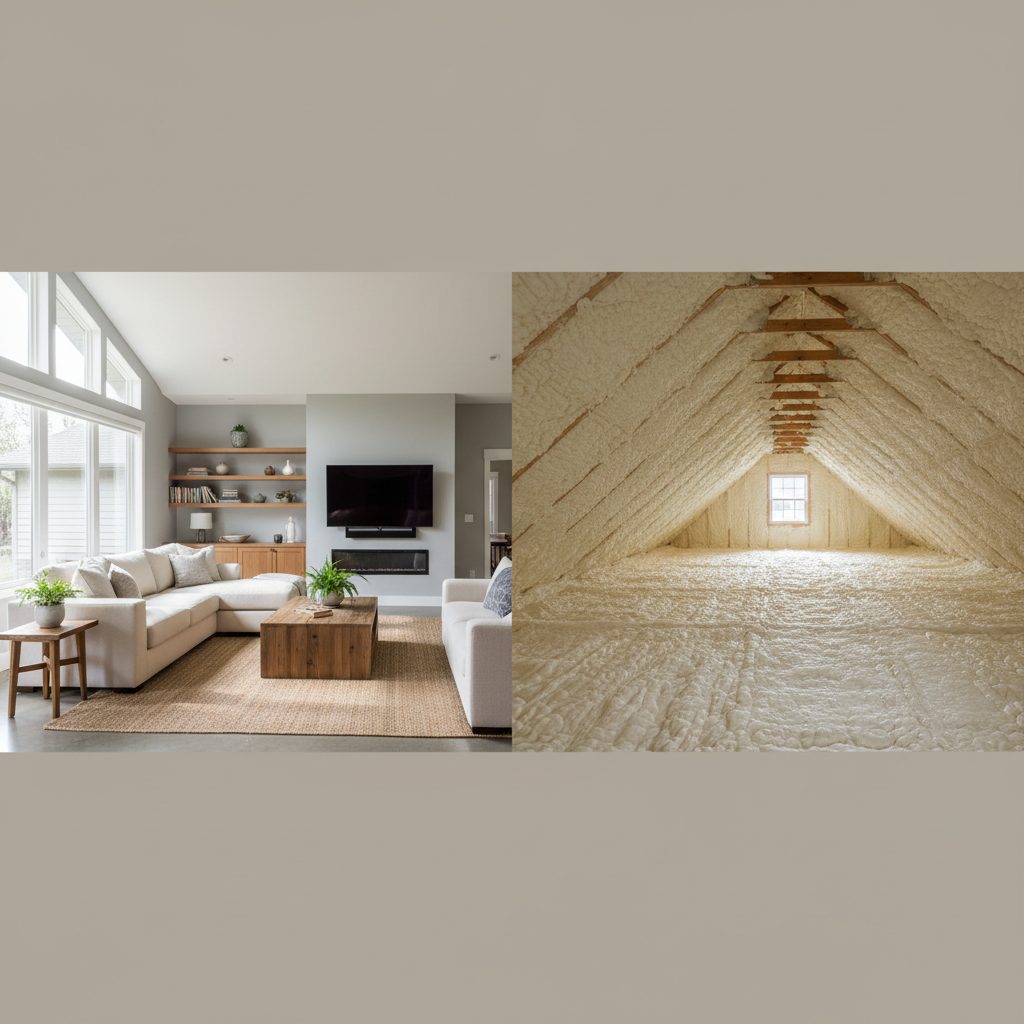
If you've noticed your heating and cooling bills creeping up year after year, you've probably asked yourself whether spray foam insulation is worth the investment. It's a fair question, especially in the Piedmont Triad, where our homes go through hot, humid summers and cold, sometimes damp winters. The short answer is: yes, spray foam insulation can meaningfully lower energy bills for most North Carolina homes — but how much you save depends on your home's current condition, the type of foam used, and where it's installed.
Why Spray Foam Works Better Than Traditional Insulation
Fiberglass batts and blown-in cellulose insulate by trapping air, but they don't stop air leakage. In older Greensboro homes — especially those built before the 1990s — attics, crawl spaces, and wall cavities are often full of small gaps, gaps around wiring and plumbing penetrations, and compressed or settled insulation that no longer performs as designed. Air leaks in these areas allow conditioned air to escape and outdoor air (hot, cold, or humid) to seep in.
Spray foam insulation expands on contact and seals those gaps as it cures, creating both an insulating layer and an air barrier in one step. That combination — insulation plus air sealing — is the main reason spray foam tends to outperform traditional materials on energy savings.
How Much Can You Actually Save?
Homeowners in our area typically see reductions in heating and cooling costs somewhere in the range of 15% to 30% after a proper spray foam retrofit, though the exact number varies widely based on:
- The home's age and how leaky it was to begin with
- Whether the attic, crawl space, or both are treated
- The condition of your HVAC ductwork (leaky ducts in an unsealed attic can undercut savings)
- Local energy rates and how much you run your system during Triad summers and winters
We're careful not to promise a specific dollar figure upfront, because it depends on your utility rates, square footage, and current insulation levels. What we can say is that homes with older insulation, visible air leaks, or rooms that are noticeably hotter or colder than the rest of the house tend to see the most dramatic improvement.
Why North Carolina's Climate Makes This Especially Relevant
Greensboro sits in a mixed-humid climate zone, which means your home has to handle both heavy summer humidity and occasional winter cold snaps — sometimes in the same month. That's a tougher job than insulation faces in a more consistent climate.
Open-cell and closed-cell spray foam both slow heat transfer, but they also help control moisture movement, which matters a lot here. Humid outside air leaking into a hot attic or crawl space can lead to condensation, musty smells, and even mold or wood rot over time. By sealing those spaces, spray foam insulation helps your HVAC system work less and helps manage moisture — a real concern for older homes in the Triad with vented crawl spaces.
Attic vs. Crawl Space: Where Should You Start?
Most Greensboro homes lose and gain the most energy through the attic and crawl space, not the walls. If your budget doesn't allow for a whole-house retrofit, these areas usually offer the best return:
- Attics: Spray foam applied to the roofline (creating a "conditioned attic") stops heat gain in summer and heat loss in winter, and can reduce temperature swings in the rooms below.
- Crawl spaces: Many older Triad homes have vented crawl spaces that let in humid summer air. Sealing and insulating the crawl space walls with spray foam, combined with a vapor barrier, helps control moisture and reduces the load on your HVAC system.
What Does Spray Foam Insulation Cost in the Greensboro Area?
Costs vary based on square footage, foam type, and accessibility, but homeowners in our service area can generally expect:
- Open-cell spray foam: Lower cost per board foot, good for interior walls and attics where moisture control is less critical, roughly $1 to $1.75 per square foot depending on depth.
- Closed-cell spray foam: Higher R-value per inch and better moisture resistance, often used in crawl spaces or roof decks, generally $1.50 to $3+ per square foot.
- Whole attic or crawl space projects: Total project costs commonly range from a couple thousand dollars for a smaller crawl space to well over $5,000-$10,000 for a full attic retrofit on a larger home, depending on scope.
These are general ranges, not quotes — the only way to get an accurate number is a home evaluation, since square footage, existing insulation, and access all affect the price. Be cautious of any company that gives you a firm price over the phone without seeing your home.
Does It Pay for Itself?
Spray foam insulation costs more upfront than fiberglass or cellulose, and it's reasonable to ask about payback time. Many homeowners see a payback period of several years to a decade, depending on energy savings, local utility rates, and whether other issues (like moisture damage or HVAC strain) are also resolved along the way. It's not an instant break-even, but it's a durable improvement — spray foam doesn't settle or sag over time the way loose-fill insulation can, so the performance you get on day one tends to hold up for the life of the home.
What to Look for in a Spray Foam Contractor
Not all installations are equal, and poor application can limit your savings or even cause problems. When evaluating a contractor in the Greensboro/Triad area, look for:
- In-home assessments rather than phone-only estimates
- Clear explanation of open-cell vs. closed-cell foam and why they're recommending one over the other for your specific space
- Experience with older Triad homes, including crawl space moisture issues common in our region
- Willingness to discuss ventilation changes needed when converting a vented attic or crawl space to a conditioned, sealed one
- Written estimates that break down square footage, foam type, and thickness
Is Spray Foam Right for Your Home?
If your Greensboro home has an older attic, a vented crawl space, uneven room temperatures, or high summer cooling bills, spray foam insulation is worth serious consideration. It won't fix every energy problem on its own — leaky ductwork, an aging HVAC system, and single-pane windows all play a role too — but it addresses one of the biggest sources of energy loss in Triad homes: uncontrolled air movement through the attic and crawl space.
The best way to know what kind of savings and cost you're looking at is a hands-on evaluation of your specific home. Greensboro Spray Foam Pros offers free, no-pressure quotes for homeowners across Greensboro and the Triad — we'll take a look at your attic or crawl space, talk through your options honestly, and give you a real number to work with, not a guess. Reach out today to schedule your free local quote.
Free spray foam insulation quote in Greensboro
Local, licensed & insured — serving Greensboro & the Triad. No-obligation on-site estimates.
📞 Call (336) 536-3688